

New Service: Campaign Promo Video Creation
Need to kick off your YouTube channel and embed a video into your campaign website? We can create an intro video branded with your campaign and messaging.
Check out the example below to see what it’s like.
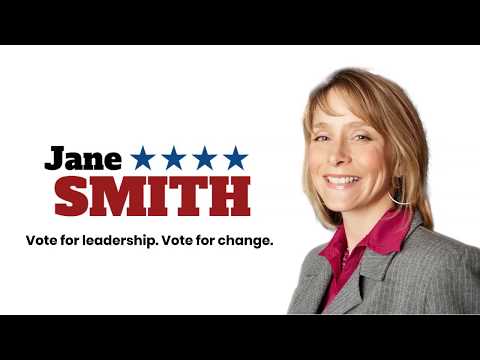
Sample Campaign Intro Video. Click to play.
How it works:
- Order the Video Promo as a product addon to your website package. You can do this when you order your website package or at a later time.
- You’ll be sent a questionnaire for your quotes and bio bullets.
- We will need a few images, if we have not designed your website.
From there, we create your video. It will be about one minute in length and will follow the structure of our sample video. We send you a high-resolution version that you can use to start your YouTube channel, post to Facebook and embed in your campaign website.
It’s quick and affordable way for political video production. And it’s a great way to start another online promotional channel!
Price: $149
Already an Online Candidate client? Order through the Client Portal.
Not a website client? Contact us for ordering information.
Check out our other political campaign marketing services and our campaign website packages.

What You Should Know About Online Political Ads
Ready to jump in and promote your campaign online? Think you can just spin up some targeted text and posts to target a micro-audience with your message?
Hold on, there. This ain’t the 2012 elections! These days, political social media advertising isn’t nearly as easy as business marketing, where all you need is a credit card and something to promote.
Social media platforms have faced increased scrutiny since 2016. As a result, they have taken action to prevent the spread of misinformation through targeted political advertising. This has led to new rules and restrictions across all the major ad platforms.
But this hasn’t slowed up spending. It’s estimated that 6 billion dollars was spent on political media in the 2019-2020 cycle. This represents a projected 57% growth in political spending from 2018.
Many of our clients have a social media presence. Some choose to advertise, but they’ve been hitting some roadblocks in getting their campaigns verified and their ads approved. It’s been frustrating for some. Even a small campaign that wants to promote themselves with a few ads are finding themselves caught in digital red tape.
To help set the record straight, here are the current ad restrictions for the major social media platforms.
Please note that this information is subject to change at any time.
Google Ads
Google has limited election ads audience targeting to the following categories: age, gender and general location (postal code level) in the United States. Third party audience information is also banned. This applies to both Google search and display ads. This also covers ads on YouTube, which is owned by Google.
In addition, ads containing false or misleading information that could act to undermine participation or trust in an electoral process. This would include, for example, promoting a false election date.
Any individual or organization that purchases an election ad on Google or YouTube must provide information to Google confirming that they are a U.S. citizen or lawful permanent resident. Google also requires all political ads to display a ‘paid for’ disclosure.
X/Twitter
As of this writing, X/Twitter is accepting political advertising. The site prohibits the promotion of false or misleading content, including false or misleading information intended to undermine public confidence in an election. They also provide a global advertising transparency center, similar to Facebook.
Facebook and Instagram
So far, Facebook has not implemented any advertising bans. However, Facebook now requires more disclosure on political ads and who purchases them. Users who want to buy political ads or promote their page must verify their mailing address. All political ads have a “paid for by” disclaimer and are be placed in a political ad archive.
Facebook requires verification from you or a member of your campaign if you want to advertise through the platform. We’ve found this article to be helpful for those who want to begin the verification process.
Paid post loophole?
“Branded content” on Facebook consists of sponsored items posted by ordinary users who are typically paid by companies or organizations. Influential users are directly paid to post about a brand or product. Because Facebook makes no money from paid posts, it does not consider them advertising. (Unless the posts themselves are promoted via Facebook advertising.)
As of now, Facebook will allow campaigns in the U.S. to use this type of paid promotion, provided they’ve been authorized to run political ads and disclose who paid for the sponsored posts. How this change in the rules will be used or exploited by campaigns remains to be seen.
Spotify
While Spotify was never much of a player in political advertising, the company has suspended all political advertising on its platform. The company has stated that it does not have the ability to properly screen the content.
Pinterest, Twitch, and TikTok also prohibit political advertising.
Even if you are interested in other types of digital marketing, like IP Targeting, you will need to provide disclaimer and purchasing information.
While down-ballot and local campaigns may find their online ad options limited, it’s no reason to give up on social media altogether.
For example, on Twitter there are no restrictions on what individual user accounts can post or share to followers. Growing your social media presence will help keep your followers informed and can lead to ‘earned media’, where your content is shared to others beyond your own followers.
If you are planning on running online ads, you should certify your campaign on these platforms as soon as you can.
Start early, as it may take days or even weeks for your organization to be certified. If you wait too long, you may not be able to run ads when you need them.
A campaign website is the hub of your online campaign. Online Candidate makes it easy to start your website and get your social media accounts set up. Find out now which package is best for you.
A List of Our Best District Attorney Campaign Slogans
- Justice Served. Community Safe. Vote [Your Name].
- Fairness in Every Case, Integrity Every Day.
- Protecting Our Community, Prosecuting with Purpose.
- For a Safer Tomorrow – [Your Name] for D.A.
- Your Voice for Justice in the Courtroom.
- Dedicated to Justice, Committed to You.
- Bringing Balance to the Scales of Justice.
- A Strong Advocate for Victims’ Rights.
- Integrity First. Justice Always.
- Leadership That Prosecutes with Principle.
- For a Justice System You Can Trust.
- Fighting for Fairness, Standing for Safety.
- Your Champion for Change in the Courthouse.
- Making Our Community Safer, One Case at a Time.
- Where Justice and Community Meet.
- Courage to Prosecute, Compassion to Understand.
- Real Change, Real Justice – Vote [Your Name].
- Securing Justice for All, Favoring None.
- A New Direction for District Attorney.
- Honor in Service, Vigilance in Prosecution.
- Your Partner in Preventing Crime and Protecting Rights.
- Advancing Justice, Inspiring Trust.
- Tough on Crime, Strong on Justice.
- The Right Experience for Real Justice.
- Dedication to Law, Devotion to Community.
- Equity in Action, Excellence in Prosecution.
- For Justice. For Fairness. For Our Community.
- Leading with Integrity, Prosecuting with Purpose.
- Your Advocate for Accountability and Justice.
- A Safer Community with [Your Name] as D.A.
- Justice Through Fairness, Strength Through Compassion.
- Proactive Prosecution, Positive Change.
- Championing Rights, Challenging Wrongs.
- Bold Leadership for a Just Community.
- From Words to Action: Delivering Justice for All.
Your approach and priorities as District Attorney will shape how justice is served and perceived in your community, particularly in balancing the scales of justice and ensuring fairness. Your election slogan should encapsulate the core of your mission and the positive change you intend to bring to the legal system and the community at large.
Voter turnout for local elections for DA can be low. There is not always a clear way to know when prosecutor offices appear on the ballot. A catchy slogan can improve voter exposure and help win your election.
Related Posts
- So You Want To Run For District Attorney? Here’s How To Get Started
- District Attorney Website Design Examples
- A List of Our Best Political Slogans
- County Campaign Websites

Start your district attorney campaign website with Online Candidate. We’ve got the expertise, the resources, and the affordability you need to win. Contact us today to get started!

A List of Our Best Coroner Campaign Slogans
Here is a list of some of our favorite slogans for coroner:
- Dignity in Every Investigation – Vote [Your Name] for Coroner.
- Compassion, Care, and Commitment in Our Community.
- Bringing Peace of Mind to Difficult Times.
- Accuracy Matters: Your Choice for County Coroner.
- Serving With Sensitivity, Leading With Integrity.
- Professionalism in Every Case, Respect for Every Life.
- For Trustworthy Investigations and Compassionate Service.
- Dedicated to Truth, Committed to Families.
- Ensuring Justice and Dignity for All.
- The Right Experience, The Right Choice for Coroner.
- Your Advocate for Ethical Forensic Investigation.
- Excellence in Forensic Science, Compassion in Service.
- Precision in Pathology, Passion for People.
- Bringing Clarity to Tragedy, Closure to Families.
- Vote [Your Name]: Where Compassion Meets Science.
- Dedication Beyond Death: Vote [Your Name] for Coroner.
- Uncovering Truths, Upholding Dignity.
- For a Coroner Who Cares About Community.
- Expertise in Evidence, Excellence in Empathy.
- Your Partner in Public Health and Safety.
- Justice for the Departed, Closure for the Living.
- Vote [Your Name]: Integrity in Every Investigation.
- A New Standard of Care for County Coroner.
- Leading With Empathy, Guided by Evidence.
- Committed to Accuracy, Advocacy, and Respect.
- Your Choice for Compassionate Forensic Care.
- Professional Integrity, Personal Dignity.
- Because Every Life Tells a Story.
- In Service of Truth and Trust.
- Dignity in Death, Dedication in Life.
- Bringing Professionalism to the Coroner’s Office.
- Science Serving Justice. Compassion Serving Families.
- A Coroner Committed to Community and Compassion.
- For Meticulous Investigations, For Mindful Care.
Related Posts
Start your coroner candidate website today with Online Candidate. We’ve got the expertise, the resources, and the affordability you need to win. Contact us today to get started!

Differences Between a Political Slogan, Message and Platform
Though they are sometimes used interchangeably, there are substantial differences between a campaign slogan, a campaign message, and a campaign platform.
A campaign slogan is a short phrase that concisely summarizes the campaign’s position on an issue. A campaign message is the intent of the campaign to persuade voters. The platform is a comprehensive statement of what a candidate or elected official stands for.
Here is a quick rundown of the definitions:
What is a political campaign slogan?
Slogans are used by political campaigns to rally their supporters and get them excited about voting for the party’s candidate. The mood of a campaign slogan can be either optimistic or negative. A successful campaign slogan needs to be catchy, short, and easy to remember.The slogan is a short statement or quote that defines the candidate or the mission of the campaign. It is used throughout the campaign to be generally seen by all voters.
What is a political campaign platform?
A political campaign platform is a document that outlines a candidate’s vision and intentions on a series of political topics. It is one of the most important aspects of any political campaign, as it helps set the tone for the candidate’s campaign.
- A campaign platform provides a long explanation of a candidate’s stand on various issues important to voters.
- More comprehensive than a campaign message and involves one or more issues.
- In the end, it’s not read by many voters.
What is political messaging and where do you use it?
A political campaign message is a one-time statement or statement made in a series of statements that is designed to influence citizens’ perceptions of the candidate, their policies, or both. The messages are usually delivered in speeches, printed in pamphlets and brochures, aired in commercials and broadcast on television or radio, posted on billboards, and mailed to potential voters.
- A campaign message is a short statement that lays out why voters should elect you.
- Draws a contrast between you and your opponent(s).
- Tailored to target specific voters or voter segments.
Writing a tagline is easy. Creating a platform is tougher.
A campaign platform requires more detail and should provide potential solutions to real problems. There are several key questions to answer before you can create your platform:
- Who are my targeted voters?
- What issues and problems do they care most about?
- What can be done to address those issues?
- And, finally, what’s in it for the voter?
When you run for office, you need to know the issues and your own positions on them. You should also be aware of where your opponent stands on the issues, where you agree, and where you differ. The differences are important. A large part of your overall message is to give voters a reason to vote for you rather than your opponent.
The political campaign platform has been a fundamental component of American democracy since the inception of the country. A good campaign platform is the foundation for all your messaging. It should state your positions, contrast them with those of your opponent, and explain what you intend to do for the voters. Your strengths should be contrasted against your opponent’s weaknesses. Your platform helps shape your overall political strategy, such as what groups you will target, how you will gather volunteers and raise money.
Write down your campaign plan and make it available to your key staff members. This plan should be used by key staff members during the election cycle. It includes what to do when the campaign launches, how to set up a press list, how to find and contact voters on different mediums, and what the most effective messages that can be used are. Use it as a reference to ensure everyone on your team is on the same page when communicating to voters and the media.
Related reading: Political Slogan Examples

Let Online Candidate help you start your online campaigning. From campaign websites to social media setup to candidate intro videos, we can help launch your campaign easily and affordably.
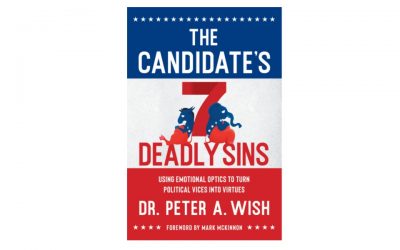
Book Review: The Candidate’s 7 Deadly Sins
Ever wonder whether logic or emotion wins a voter’s heart?
The Candidate’s 7 Deadly Sins: Using Emotional Optics to Turn Political Vices into Virtues by Dr. Peter A. Wish answers this question with detailed anecdotes and advice for political candidates who want to better connect with voters.
The book focuses on the emotional aspects of politics. The author breaks out seven deadly ‘sins’ for candidates to avoid. They include being pessimistic, tentative, reactive, canned, arrogant and rigid. Each sin is examined through events of real-life political campaigns and their consequences.
“Remember to be emotionally aware—anything you say can and will be used against you!”
Voters logical and emotional reactions to these sins are explained through real-life events and their consequences. Explanations from the field of neuroscience reinforce the explanations. The author provides first-hand accounts of working with a US presidential campaign.
The book provides solid advice for taking a candidate’s weaknesses and turning them to potential virtues. There are many takeaways that provide valuable lessons in connecting emotionally with voters. It wraps up with an explanation of the most powerful of any candidate’s skill – the art of storytelling.
Learn from the mistakes of others. You’ll want to take notes as you read.
While the tone of the book is generally non-partisan, there are a few places where the author’s personal leanings come through. Overall, though, The Candidate’s 7 Deadly Sins is recommended and well worth a read for candidates and campaign professionals at all levels.
A review copy of this book was provided by the author.
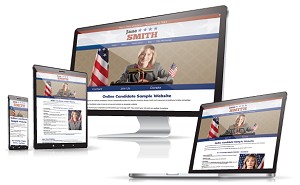
Online Candidate makes it easy to launch your political website and build your online presence.

No spam. Campaign-focused updates only.