Running for school board is often a local, low-information race. Many voters won’t attend meetings or read long policy documents. They will search your name online. What they find—or don’t find—can shape their decision.
Filing requirements and eligibility rules vary by district, and those should always come from your local election office. This guide focuses on something different: what your campaign website needs once you’ve decided to run.
Your website is your central hub. It’s where voters decide if they understand you—and whether they trust you.
From working with local campaigns for years now, we see one one pattern that shows up consistently: candidates who launch early and keep their website clear tend to establish credibility faster than those who wait or overcomplicate things.
Why a School Board Campaign Website Matters
School board elections are rarely high-profile. Voters are often deciding between candidates they don’t know well, so small signals carry more weight.
When someone hears your name—on a sign, through a neighbor, or in a local discussion—the next step is usually a quick search. If your website is clear and credible, you’ve immediately built trust. If it’s missing or confusing, you’ve lost that opportunity.
In our experience, even simple websites outperform no website at all. (Social media is gated and limited.) The candidates who benefit most are not the ones with the most pages—they’re the ones who make three things clear right away:
- who they are
- why they’re running
- what they stand for
A campaign website also gives you a place to direct people from:
- social media
- email outreach
- word-of-mouth
Without it, those interactions often go nowhere.
How School Board Campaign Websites Are Different
What works for larger political races doesn’t always apply to school board campaigns. The tone, expectations, and voter priorities are different.
Nonpartisan Tone Builds Trust
Many school board races are officially nonpartisan, and even when they’re not, voters tend to respond better to a measured, community-focused tone.
We often see candidates lean too heavily into political framing. In local education races, that can limit your appeal. Clear, steady messaging tends to perform better than aggressive positioning.
Focus on Local Education Issues
Voters are looking for practical answers:
- school quality
- budgets
- curriculum priorities
- safety
The strongest websites focus on specific, local concerns rather than broad or abstract messaging. Candidates who connect their priorities directly to the district tend to stand out more quickly.
Community Connection Matters More Than Credentials
In many races, voters are choosing between unfamiliar names. Your website helps establish credibility quickly.
What resonates most is not a long resume, but clear signals of:
- involvement in the community
- connection to local schools
- understanding of local concerns
We’ve seen candidates with modest backgrounds outperform others simply because their website communicated this clearly.
Simplicity Outperforms Complexity
Most school board campaigns don’t need elaborate websites.
In fact, simpler sites tend to work better. Voters should be able to understand who you are within a few seconds. When sites become cluttered or overly detailed, engagement drops off quickly.
The Essential Pages Every School Board Campaign Website Needs
A strong campaign website doesn’t need dozens of pages. It needs the right structure.
Homepage
Your homepage should immediately answer:
- who you are
- what you stand for
A short, clear message with a simple call to action is more effective than a crowded layout. One of the most common issues we see is candidates trying to say too much at once.
About the Candidate
This is where voters decide if they relate to you.
Focus on:
- your connection to the community
- why you’re running
Avoid turning this into a full resume. Clear, relevant information performs better than long lists of credentials.
Issues or Priorities
Keep this section focused and easy to scan.
The strongest pages break issues into clear sections and tie them directly to local concerns. A few well-explained priorities are more effective than a long list of general statements.
Endorsements or Community Support
Even a small number of endorsements can help establish credibility.
We’ve seen this make a difference, especially when voters are unfamiliar with candidates. Recognition builds trust quickly.
Volunteer and Donation Pages
Even small campaigns benefit from making it easy for people to:
- get involved
- contribute
One of the most common missed opportunities is making these actions hard to find or overly complicated. Simplicity increases follow-through.
Contact Page
A basic contact option builds legitimacy. Voters expect to see it, even if they don’t use it.
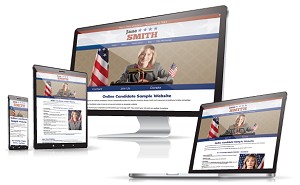
If you’re planning your site, you can see examples of real school board campaign websites here ? [link]
What Most School Board Campaign Websites Get Wrong
Across campaigns, the same issues come up repeatedly.
Generic Messaging
Statements like “I care about education” don’t differentiate you. Voters are looking for clarity, even if it’s simple. Many candidates rely on general statements like “I care about education.” In practice, voters respond more to specific priorities tied to their district, even if those points are simple.
Unclear Homepage
If voters can’t quickly understand who you are and why you’re running, many will leave. This is one of the most common issues we see.
Overloaded Content
Too much information—long paragraphs, too many topics—makes sites harder to navigate. Breaking content into clear sections improves engagement.
Missing Key Actions
Many sites make it difficult to:
- donate
- volunteer
- contact the campaign
If these actions aren’t obvious, they don’t happen.
Launching Too Late
This is one of the biggest mistakes.
Candidates often delay launching their website, missing early opportunities to build recognition. In local races, early visibility matters more than polish.
Candidates who launch early—even with a simple site—tend to establish credibility faster than those who wait for a more polished version.
Launch Early, Keep It Simple
Your website should be live early in your campaign—ideally around the time you announce.
It doesn’t need to be perfect. A simple, clear site launched early is more effective than a more detailed one launched late.
From what we’ve seen across campaigns, timing often matters more than complexity.
Get Your School Board Campaign Website Online
A strong campaign website helps you control your message, support your outreach, and build credibility with voters.
Online Candidate provides campaign websites designed specifically for local races, including school board campaigns. You can get your site online quickly without dealing with technical setup or design challenges.
If you’re ready to launch your campaign website, you can get started today and have your site up and running in minutes.
Read More:


Campaign Website Pages: What Every Candidate Needs to Include »
Tags: school board