The internet has changed the way we communicate, the way we shop, and even the way political candidates reach and influence voters.
Raising money online is a relatively inexpensive form of fundraising. Today, online donations can be made effortlessly from a desktop or laptop computer, tablet, or even a mobile phone. It allows political campaigns to reach out to more people than they would be able to otherwise. However, some candidates are unsure if raising money online is worth the effort or if their campaign is large enough to accept digital donations.
The truth is, whether you’re running for school board, city council, or county clerk, online fundraising can give your campaign the edge it needs to win—by helping you reach more supporters and raise more money with less effort.
Below is a brief overview to help you understand how online donations work—and how your campaign can start benefiting from them today. We’ll also discuss the benefits of online fundraising for local candidates like you.
The anatomy of an online donation
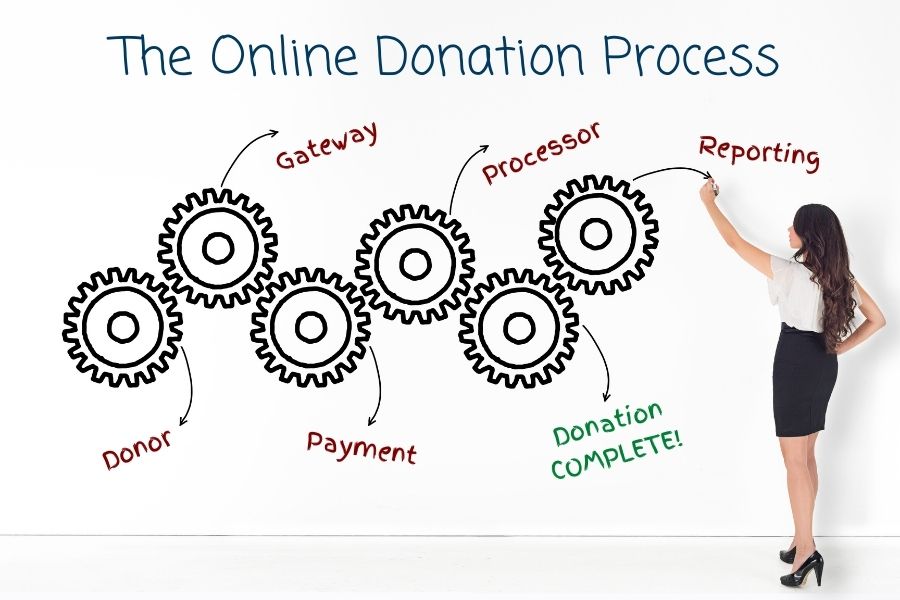
Here’s a quick breakdown of what happens when someone donates through your campaign website:
- After clicking the “Donate Now” button or link, your supporters will enter their billing and donation information into a simple web form.
- After submission, a payment gateway takes over. The payment gateway is a service responsible for verifying and electronically moving funds. In plain terms, it makes sure the donor’s credit card is valid and then processes the donation.
- When the payment transaction is complete, the donor is shown a confirmation page and sent an email confirmation. At this point, a record of the transaction becomes available for reporting purposes, and the donation process is complete.
- After a period of time, the money is transferred from the payment processor to the bank account of your campaign.
You don’t need to worry about the technical details—just know that with a reputable donation platform, this process is safe, secure, and fast.
What third party payment processors do
Third-party payment processors provide a simple and relatively inexpensive way to accept payments online without the extra cost and obligation of setting up a complex merchant account. Most services are free to set up and include a variety of tools such as forms, social media widgets, and data tracking. They charge a small percentage of the transaction as a payment fee.
Before you can start collecting donations, you’ll need to set up an account with a payment processor. Your organization will need to verify its non-profit campaign status and bank account information. Be prepared to offer additional documentation about yourself as a candidate and your organization. It’s a good idea to get this set up early, since verification can take a few days.
Donation platform selection
When picking a payment processor, choose one designed for political campaigns or nonprofits. These platforms understand the unique requirements candidates face and often offer compliance features to help you follow campaign finance laws.
- Transaction Fees: Lower transaction fees mean more of your donors’ contributions go directly to your campaign.
- Integration: Ensure it works smoothly with your website and social media. Some platforms allow for embedded website forms; others require that you link out to the processor’s form.
- Recurring Donations: Check if the service supports recurring contributions for steady income throughout the season.
- Reporting and Analytics: Look for processors that offer robust financial reporting tools. This should simplify your treasurer’s workload.
See the article below for recommendations on choosing a platform that is best for you.
Related: Comparing Political Donation Platforms – Our Recommendations
Why you should accept donations online
Money is the lifeblood of any political campaign. That’s not new. What has changed is how easy it is to collect donations online. Here are several reasons why your campaign needs to raise money online:
For candidates in school board elections or local municipal offices, every dollar counts. Traditional fundraising methods like in-person events and mailers are still valuable, but they take time and money to organize. Online fundraising gives you another powerful tool to reach supporters quickly, spread your message, and raise funds without the overhead.
- Online fundraising is easy to start. If you’ve gone through the paperwork and requirements just to run for office, setting up an online fundraising program
 will be easy. You’ll need a campaign bank account to take donations, an online fundraising system, and a prospect list. If you have your bank account and prospect list, then it’s just a matter of choosing how you will take donations online.
 - Online fundraising is easy to set up. Most online donation platforms are easy to set up, with customizable donation pages, widgets, tracking and more. These features are easy to add to your website or social media accounts.
- You can reach out through multiple channels. You can use social media, email, texting and even offline methods to drive supporters to either your primary donation page or specific pages set up to track different sources.
- Your opponent will use digital channels to raise money. Most political candidates today are using the internet to organize, raise money, and get the word out about their candidates. If you are not leveraging online opportunities, you can be sure that your political opponents will.
 will be easy. You’ll need a
 It’s like the New York Lotto – You gotta be in it to win it!
Most individual political contributions are for small-dollar amounts. By providing an easy-to-use and convenient donation system, you are more likely to receive more donations.
There are a lot of scary elements to campaign finance, but setting up an online donation tool doesn’t need to be one of them. In fact, your campaign treasurer will probably find it easier to track digital donations than to manage checks or cash. Many online donation platforms help simplify compliance and make financial reporting much easier.
And don’t forget—check your local and state laws regarding contribution limits and disclosure requirements. Most political donation platforms can help you stay compliant, but you and your treasurer should always confirm you’re following the rules.
Related: Maximize Your Funds: Must-Know Political Fundraising FAQs
Create your online pitch to donors
Your campaign website needs a designated donation page. Make it crystal clear why their donation matters. Explain where the money will go—whether it’s for printing more brochures, running ads, or covering event costs. Keep your message short and focused—2-3 lines is enough. Make it personal and direct.
Your political donation form should be front and center.Avoid cluttering the page with too many links or distractions. When someone clicks “Donate,” they’re ready to act, so don’t slow them down.
Conclusion
The web alone won’t solve your campaign’s funding needs. You still need to canvass, make phone calls, and hold fundraising events. But adding online fundraising to your strategy gives you another powerful tool to reach supporters and raise money.
Don’t wait—every day without an online donation form is a missed opportunity. Get started today!
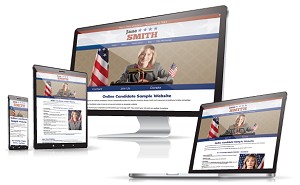
Get started with an affordable campaign website with Online Candidate.
Read More:



What Simple Question Can Increase Voter Turnout? »
Tags: political donations